I. STATEMENT OF PURPOSE:
The Special Collections Department exists to preserve the region's and the University's heritage and to make it available to researchers and students. The Department supports Gonzaga's long and distinguished tradition of humanistic, Catholic, and Jesuit education.
The objective of the Special Collections Department is to make readily available for inspection, evaluation, preservation, and use of special collections material for research purposes, as well as provide preservative measures to the materials. Also, it supports the use of primary sources by students and promotes the student's understanding of archival and rare book collections. The Special Collections Department supports the mission and goals of the University Library.
II. DESCRIPTION OF FACILITIES:
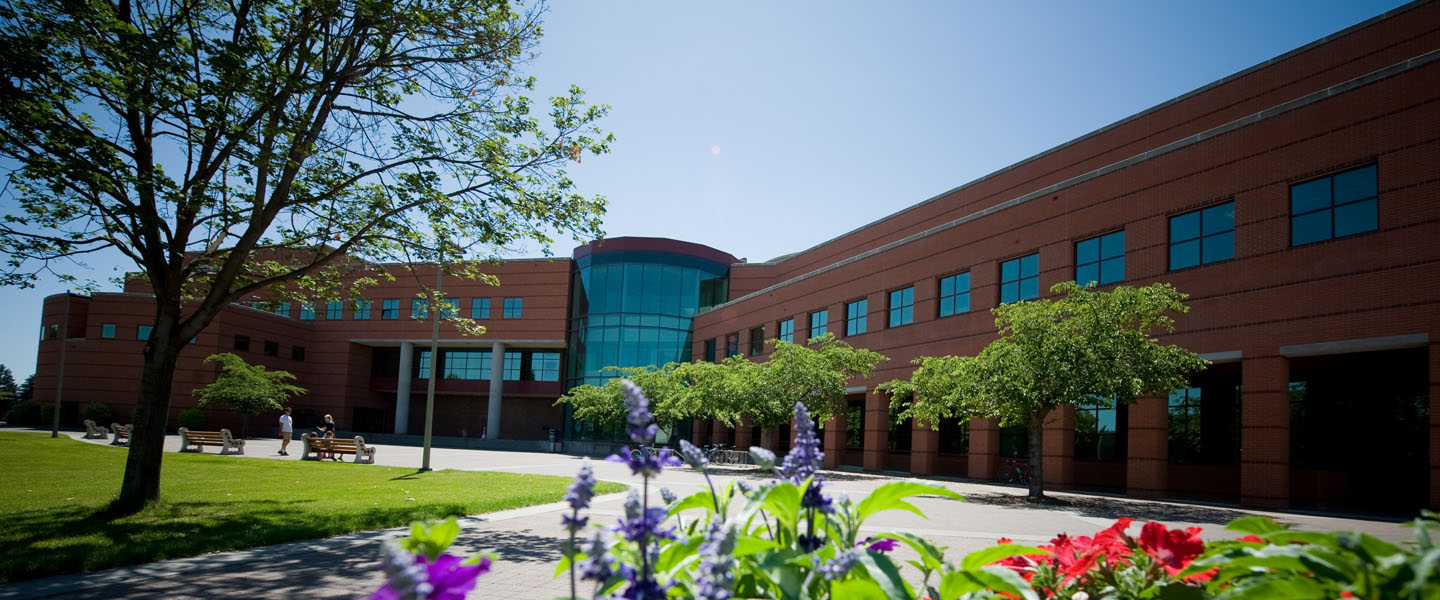
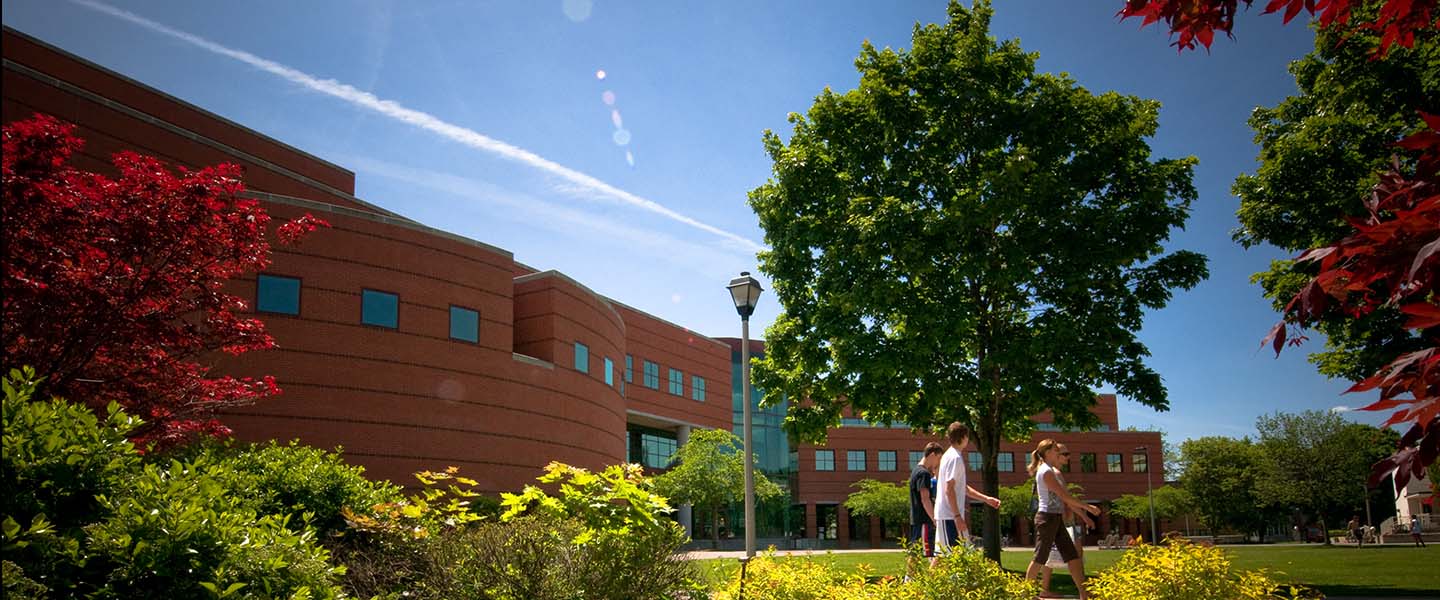
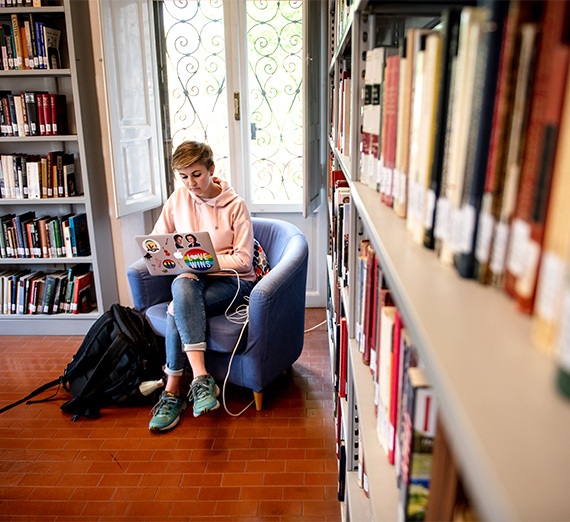
The Special Collections Department is located in the Cowles Rare Book Library on the third floor of the Foley Center Library. In addition to a circular domed reading room, there is a vault with humidity and temperature controls and a security system. Materials from the Special Collections Department may only be used in the reading room. Photocopying if permitted is done by the departmental staff for a fee. Currently, the holdings of the rare book collections are available on FOLIO, the online catalog.
III. DESCRIPTION OF COLLECTIONS:
The Cowles Rare Book Library is arranged into three primary sections: the University Rare Book and Manuscript Collection, the University Archives, and the Jesuit Oregon Province Archives.
The University Rare Book and Manuscript Collection contains the University's Rare Books, the Gerard Manley Hopkins Collection, the Bing Crosby Collection, the Jay Fox Papers, the James O'Sullivan Papers, and other collections. With volumes dating back to 1475, the Rare Book Collection is strong in philosophy, theology, labor history, literature, Northwest history, and Victorian poetry. (See X: Identification and Handling of Rare Materials)
The University Archives maintains the photographic, audio/visual, and historic paper records of Gonzaga University.
The Jesuit Oregon Province Archives maintains the administrative records generated by the Society of Jesus, primarily within its designated territory of Alaska, Washington, Oregon, Idaho, and Montana. Secondarily are included records of its interactions with its Zambia [Africa] Mission, its parent California and Turin [Italy] Provinces, with the Jesuit General Congregation and the Papal See. Materials continue to be actively collected, by purchase, transfer from within the Oregon Province, and through private donation. Dating from the 1830s in the Northwest and the 1880s in Alaska, the Jesuit Archives reflect the beginnings of settlement and the birth and growth of Catholicism in these areas. The collections are also rich in original photographs, audio/visual materials, and Native American language aids.
This policy does not address the materials in the Jesuit Oregon Province Archives. The other major collections have their own policies within this document. There are broad policies for rare books and for archival materials.
IV. CLIENTELE SERVED BY THE COLLECTION
The collection primarily supports the research needs of undergraduates, graduates, the Gonzaga community, while secondarily supporting the needs of scholars, and the public.
V. TYPES OF PROGRAMS SUPPORTED BY THE COLLECTION
The collection supports the research needs of its clientele. Materials are exhibited in the display cases in the Rare Book Room or the Crosby Student Center. Loaning of materials to other institutions for exhibition purposes is permitted if approved by the Special Collections Department. However, materials are not available to patrons through Interlibrary Loan.
The collection also supports the public relations and outreach mission of the Library and University. The collection also supports the outreach program for the community, such as slide presentations, lectures, tours, classes, and publications. Photographic and other media reproductions of materials housed in the rare book library may be provided to researchers for a fee by Instructional Media Services.
V1. PRIORITIES AND LIMITATIONS OF THE COLLECTION
A1. UNIVERSITY RARE BOOK COLLECTION
The existing collection was developed mostly through donations of individual works or collections. Subject areas include: philosophy, theology, Jesuitica, literature, labor history, Victorian poetry, travel literature, 16th C. imprints, fine printing, Dickens, DeSmet, G. K. Chesterton, and Cardinal Newman.
Geographical areas include: Northwest history, especially Spokane, the Inland Empire, the Lewis and Clark Expedition, and the Columbia River. The University realizes that other institutions in the area, such as the Spokane Public Library and the Cheney Cowles Museum, house strong collections on Northwest history. The Library collects all publications of the Ye Galleon Press of Fairfield, Washington.
The language of the materials acquired is not limited to English.
The Special Collections Department collects additional materials on these topics and solicits donations of local interest. Most additions will be acquired by donations; however, there is a small amount of funds available to purchase books to support the needs of the curriculum.
A2. GERARD MANLEY HOPKINS COLLECTION
The Gerard Manley Hopkins (GMH) Collection originated with the research of Fr. Anthony Bischoff, S.J. for his Yale University doctoral dissertation awarded in 1952. The collection is one of the largest in the United States and among the most distinguished in the world devoted to this poet's work. It contains rare editions of Hopkins' poetry, letters, notes, and journals, as well as writings, letters and memoirs of his colleagues, such as Robert Bridges, Richard Watson Dixon, William D. Addis, and others.
As a comprehensive collection, it brings Hopkins scholars from around the world to use its unique resources. These scholars in turn have enriched the collection with original manuscripts and first editions of their own works. As written by Robert Boyle, S.J. in Mrs. Ruth Seelhammer's bibliography Hopkins Collected at Gonzaga, of 1970: "During my own work with this collection I learned to appreciate first-hand the advantages of having not only the primary and secondary sources, in various editions, at one's elbow, but the usefulness and broadening suggestiveness of having as well so many of the central and peripheral probable and possible background sources."
The Library continues to collect materials by or about Hopkins, either printed or in manuscript. The library primarily collects materials related to GMH and that of his contemporaries, which are considered of secondary importance. No other regional library collects this topic so thoroughly. The collection supporting the research needs of scholars attempts is to make readily available all materials relating to Hopkins and background information to support the research needs. Though the past practice was to consult every potential source of reference to material on Hopkins, which came into the Library, the Special Collections Department still regularly checks bibliographical references and databases for possible additions. An attempt is made to obtain the items either in the original or in facsimile, when it does not infringe upon copyright restrictions.
The language of the materials acquired is not limited to English, but includes numerous others from around the world.
Original Manuscripts:
Materials by Hopkins, such as prose, correspondence, and sketches; letters written by his family; letters by his friends and Jesuit contemporaries, for example: Robert Bridges, R. W. Dixon, John Henry Newman, and Coventry Patmore. Copies either on paper, microform, or disk of materials housed in other institutions.
Photographs:
GMH, his family, his Oxford associates, his fellow Jesuits, and places associated with him. Places include Manresa House, University College (Dublin), Stratford (Essex), St. Francis Xavier's Church (Liverpool), Oxford, and Roehampton.
Paintings and pictures:
Artwork connected with GMH or drawn by his family;
Books, Pamphlets, and other Secondary Material:
Books in various editions by Hopkins, his family, friends, and fellow Jesuits, such as Bridges, Dixon, John Henry Newman, Pater, and Patmore; and other books either about Hopkins or giving background information, such as those about Jesuit and Victorian life, and places associated with him. Books owned by Hopkins with his annotations or autographs are included.
Originals or photocopies of scholarly articles about him; bibliographies; theses and dissertations about Hopkins; newsclippings, especially those received from the newsclipping service in Great Britain. It also includes periodicals and materials generated by GMH organizations, such as the International Hopkins Association, Hopkins International Society (Ireland), and Hopkins Society of Wales;
Audio-Visuals:
Recordings of his poetry, including records, video tapes, cassettes, and microfilm;
Research Material:
Materials gathered by scholars about Hopkins. This includes correspondence, research notes, manuscripts and galleys for books and other publications;
A small budget for purchasing printed materials and media formats does not provide for manuscript and other original materials, which are received as donations.
A3. BING CROSBY COLLECTION
Harry Lillis "Bing" Crosby graduated from Gonzaga High School in 1920 and received an honorary doctorate from Gonzaga University in 1937. Bing retained an interest and affection for his alma mater throughout his life. He contributed to the library building campaign. Through his efforts the Crosby Library was constructed and dedicated as a memorial to the Crosby family in 1957. Since the 1950s Gonzaga has received donations of Bing Crosby material from Bing, his family, friends and fans. Some of his memorabilia is on display for public viewing in the Crosbyana Room in the Crosby Student Center, the former Crosby Library. The collection is the largest public Crosby collection containing his 1944 Oscar for "Going My Way," gold and platinum records, trophies and awards, photographs, correspondence, newsclippings, radio disks, records and cassettes, and other memorabilia.
Original Manuscripts:
Materials such as correspondence by Crosby, his family; friends and contemporaries such as Bob Hope, Al Rinker, Rosemary Clooney, and Frank Sinatra. Also includes materials relating to Crosby organizations, such as the Bing Crosby Historical Society.
Photographs:
Bing, his family, friends, and contemporaries, and places associated with him: such as his boyhood home in Tacoma.
Audio-visual:
Recordings of his music, including phonograph records (33 1/3s and 78s), Compact disks, and cassettes; radio show broadcasts. Commercial copies of his movies on video tapes or laser disks;
Paintings and artwork:
Artwork of Bing;
Books and other Secondary Material:
Books in various editions by Crosby; and other books either about Crosby, his family, friends, and contemporary entertainers, or giving background information, such as places associated with him. Contemporaries to Crosby include Bob Hope, Rosemary Clooney, Frank Sinatra, etc. Also, includes books owned by Crosby.
Newsclippings about Crosby and his family, sheet music, Bing Crosby Pro-Am Golf Programs; Scrapbooks about Crosby created by his fans;
The Library receives gift subscriptions of periodicals donated by the various Bing Crosby fan clubs, such as Club Crosby and the International Crosby Circle.
Research Material:
Materials gathered by scholars and fans about him. This includes correspondence, research notes, manuscripts and galleys for books or other publications.
Realia:
Includes three dimensional objects relating to Crosby, such as: Bing Crosby ice cream cartons, Crosby coloring books, buttons, Crosby clothing, etc.
The University collects donations of Crosby material. Books and audio-visual formats, such as compact disks and videos, about Crosby are purchased. These materials are cataloged and are housed in the Special Collections area. Manuscript materials, periodicals of Crosby fan clubs, and realia are only received as donations. Some manuscript material is located in the University Archives as it relates to Crosby's relationship with the University.
A4. JAY FOX PAPERS
Jay Fox was an anarchist and labor radical from Home Colony, Washington. The Fox Collection consists of some 250-300 items purchased by the Crosby Library in 1965. The collection includes books, pamphlets, periodicals, and other miscellany such as sheet music, which belonged to Jay Fox. It also includes portions of his unpublished memoirs.
No new materials will be added to this collection. However, books may be purchased and added to the Rare Book Collection to support this collection about labor history.
A5. OTHER MANUSCRIPT/ARCHIVAL COLLECTIONS
In addition to the manuscript collections mentioned previously, the University owns the James O'Sullivan Papers, which relate to the building of Grand Coulee Dam; and the Tokyo War Crimes transcripts, which relate to the WWII War Crimes Tribunal.
The Library does not purchase manuscript collections. These are acquired only by donation. Topics may include: Spokane, Northwest History, papers of local residents, business records, papers of government officials and agencies, politicians, educators, authors, and business people, records of organizations such as religious, fraternal, and civic associations, into nearly all facets of the history of Spokane and the Inland Northwest. The Library recognizes that other institutions such as the Cheney Cowles Museum acquires materials on Spokane, thus some donors may be referred to other institutions.
A6. PHOTOGRAPHIC COLLECTIONS
The University acquires photographic collections by donation. Topics may include: Gonzaga University, Spokane and the Inland Empire, Native Americans, photographers from the area, and others on a case by case basis.
A7. MAPS
The map collection includes maps of the Northwest and the Bible lands. Special Collections does not normally purchase maps. However, maps may be moved from the circulating collection or acquired by donation.
A8. ARTWORK AND OTHER REALIA
This includes framed and unframed artwork, prints, medieval manuscript leaves, specimen pages, etc. This policy does not include the University Archives, Hopkins and Crosby Collections, which have their own policies on artwork and realia.
The library does not normally acquire artwork or other realia unless given approval by the Library Dean or the Chair of Special Collections. These acquisitions are received as donations.
B. GONZAGA UNIVERSITY ARCHIVES
The University Archives document both the daily administration of Gonzaga University and special events. Included in the archives are student publications such as the Gonzaga Bulletin and Spires, course catalogs and class schedules, commencement programs, committee minutes, correspondence, photographs, and other campus publications. Bibliographic access is available for some materials on FOLIO.
The Archives seeks the donation of any papers, photographs, books, audio-visual material, architectural drawings of Gonzaga facilities, and other items that relate to the University. This includes items from faculty, staff, students, and alumni, as well as persons in the community who are interested in contributing to the archival program.
The Archives receives microfiche copies of theses and dissertations written for Gonzaga University degrees. A paper copy is added to the circulating collection. Both copies are available on the on-line catalog.
Current news articles about the University, its personnel, students, and events are collected by the Special Collections Department.
The Library normally acquires through donation materials written or performed by faculty members of the University. This includes: monographs, articles, and audio-visual formats. Most are housed together in Special Collections with the cataloged Gonzaga material.
Special Collections is also interested in working with other University departments and other organizations on campus to create a records management program. This would allow campus units to transfer older items that are still of value to the unit but are not used enough to deserve valuable storage space. These items might include blueprints, legal papers, reports, and other materials which are necessary to the unit and document the unit's growth over time.
VII. PRESERVATION POLICY
The Special Collections Department recognizes the need to preserve the items within the various collections. This may include placing smaller items in preservation folders, photographs in archival sleeves, manuscripts in acid-free folders, and rare books conserved or preserved in archival boxes. Such preservation will be performed as resources are available.
VIII. WEEDING/DEACCESSIONING POLICY
The Special Collection Department does not normally weed material from the collection. However, collecting emphases change over time and this may warrant weeding of some materials. Such weeding must be legal under the terms of gift agreements, and must specify the need for deaccessioning.
IX. POLICY ON DUPLICATE MATERIALS
Duplicates are generally not collected in Special Collections. However, in the Hopkins and Crosby Collections, duplicate books are placed in the general stacks. The third copy may be kept in Special Collections. Other duplicates are given to Acquisitions, where they are either placed in the general collection for circulation or placed with the gift books. Generally, only three copies of University publications are kept in the University Archives.
Additional copies of items (including federal and state douments) in Special Collections that are in demand or those that provide support for the curriculum and research may be purchased or gift copies added for the circulating stacks as budgets allow. When a readily available in-print publication, on a subject appropriate for Special Collections, is judged to be of current importance and wide usefulness in support of courses and research, a copy for the general collections may be acquired first with a second copy for Special Collections. The Special Collections Librarian will work with the appropriate Library Bibliographer, as this occurs.
Federal or state documents may be acquired for Special Collections and /or when it is likely that use will make the regular copy unsuitable for transfer to Special Collections at a later time. Some documents that are appropriate for Special Collections may not need to be duplicated, but may be transferred there when their usefulness in the regular collections is over. Duplication may be required for Special Collections when it is likely that the regular copy will be lost or damaged from heavy use and will therefore not be available for transfer to Special Collections. Such decisions will be made by the Special Collections Librarian with the assistance of the Documents Librarian.
X. IDENTIFICATION AND HANDLING OF RARE MATERIALS
The library has a responsibility for identifying and preserving through special handling and storage those materials which by their age, scarcity, value, format or other characteristics merit such care and treatment. Books and other library materials shall be designated as "Rare" when they meet the criteria within these guidelines. Material deemed as "Rare" should receive proper care and handling when first received in the Library.
The Special Collections Librarian, in consultation with Reference Librarians, shall be responsible for determining items in the general collection to reclassify them as rare. Decisions will be based upon the criteria listed below. All rare materials will be housed in the Special Collections Department.
I. Criteria for library materials which will be classified as "Rare." A. Books specifically purchased for Special Collections as determined in the Special Collections Collection Development Policy B. Books of early imprint. Specifically: All pre-1801 imprints U.S. and Latin American imprints before 1850 Washington imprints before 1900 Imprints from Ye Galleon Press of Fairfield, WA C. Limited editions of 200 numbered copies or fewer. D. Books known to be bibliographically unique or otherwise irreplaceable.II. Criteria for library materials which will be reviewed for possible classification as "Rare." A. Out-of-print books acquired on special order through an antiquarian dealer. B. Nineteenth Century imprints (1801-1899). C. Books whose purchase or replacement price exceeds $250.00. Current scientific and reference materials are exempt. D. First editions of historical importance as identified in standard bibliographic sources. E. Limited editions of 201-1000 copies. F. Aesthically noteworthy books (including fine press books). G. Association copies, identified by inscriptions, marginal notes or private book plates, or containing manuscripts or letters tipped or laid in. H. Facsimile editions of rare books. I. Fore-edged decorated books. J. Books unusually subject to damage or loss. Specifically: 1. Fragile volumes, including damaged or deteriorating books not suitable for rebinding. 2. Special or luxury binding (soft leather, inset medallion or raised design, hand-decorated) 3. Volumes containing tipped-in or loose plates. 4. Portfolios of unbound sheets. 5. Miniatures (under 4 inc./10 cm. in height). 6. Extreme oversize volumes (over 20 in./52cm. in height) or other oddsized volumes that are difficult to shelve. June 14, 1995